Contour and COFFEE Embroidery Design Review
A First Look at Contour and COFFEE
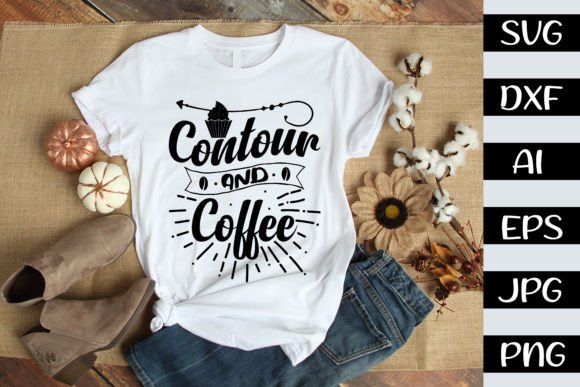
When I first opened the Contour and COFFEE SVG design file, I was immediately drawn to its clean lines and minimalist aesthetic. The design feels modern and versatile, with a subtle elegance that suggests it could fit into a variety of embroidery projects. It’s not overly busy or intricate, which is a relief for someone looking for something that won’t overwhelm a simple fabric background.
The contour shape gives it a sense of movement, while the coffee motif adds a touch of warmth and familiarity. This makes me think of how well it would work on casual apparel like t-shirts, sweatshirts, or even tote bags. It has a friendly vibe that’s perfect for personalized gifts or small shop merchandise.
How Contour and COFFEE Performs in Real Projects
Let’s imagine using Contour and COFFEE on a custom embroidered tote bag. The design’s layout is compact yet expressive enough to stand out without being too loud. The stitching clarity seems strong, especially if you use a good stabilizer and choose thread colors that contrast well with the fabric.
I can see this design working beautifully on baby clothes, where subtlety and charm are key. It also has potential as an embroidered patch for a cap or a holiday gift item. For commercial embroidery, it could be a go-to asset for craft businesses or Etsy sellers looking to add a unique touch to their product line.
However, there are a few considerations. If you plan to use it on stretchy fabrics or curved surfaces like caps, the contours might require some adjustments to maintain their integrity during stitching. Testing it on scrap fabric first is always a smart move to ensure the stitch density doesn’t cause puckering or distortion.
Where to Use Contour and COFFEE with Caution
Contour and COFFEE is best suited for medium to large hoop sizes. On smaller hoops, the details might get lost or become too dense. It’s also important to consider the fabric texture—thin or stretchy materials may need extra stabilizer to prevent shifting.
If you’re planning to use this design on dark fabrics, make sure your thread colors have enough contrast. A black or deep navy background could mute the effect unless you use bright or metallic threads. Also, avoid using it on layered garments or products that will be washed frequently, as the delicate stitching might wear down over time.
Design Notes for Embroidery Professionals
Before committing to a project with Contour and COFFEE, take the time to test it on scrap fabric. Check the stitch density and adjust it if needed to match your machine’s capabilities. Review the design in both black and white mockups to see how it translates across different fabric backgrounds.
For small shop products or personalized gifts, ensure that the design maintains its visual appeal when viewed from a distance. It should look crisp and clear, whether it’s on a pillow cover or a kitchen towel. Always confirm the licensing terms before selling finished items or digital products based on this design.
Also, consider how Contour and COFFEE fits into your brand identity. If you're targeting a more professional audience, this design might be ideal for commercial embroidery or boutique branding. But for handmade products or craft fair items, its simplicity and charm could help attract customers looking for something unique but approachable.
Final Thoughts on Contour and COFFEE
Contour and COFFEE is a solid choice for anyone looking for a versatile, easy-to-use embroidery design. Its clean lines and thoughtful layout make it suitable for a wide range of embroidery projects, from sweatshirt embroidery to holiday embroidery. While it may not be the most complex design, its strength lies in its adaptability and ability to enhance a variety of handmade or commercial products.
Whether you're an apparel decorator, digital product seller, or just a hobbyist, this design offers a practical solution for adding a personal or branded touch to your work. Just remember to test it thoroughly, choose the right thread colors, and consider the fabric type before finalizing any project.