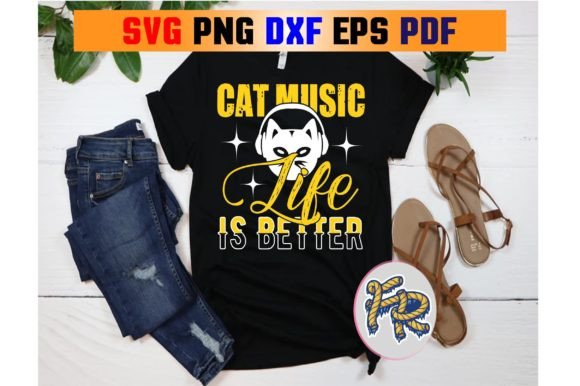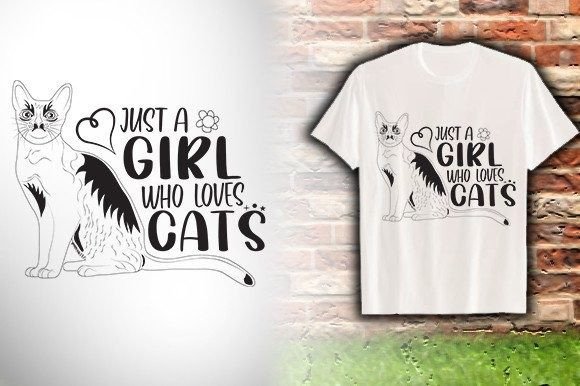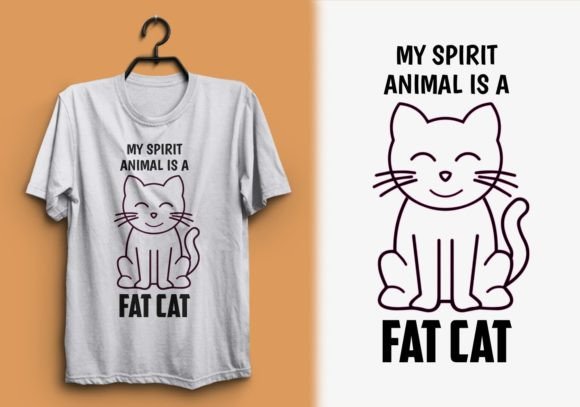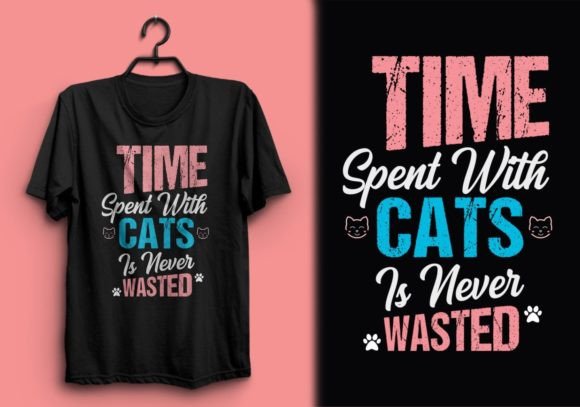
Cat T-shirt Design 220 Review
A First Look at Cat T-shirt Design 220
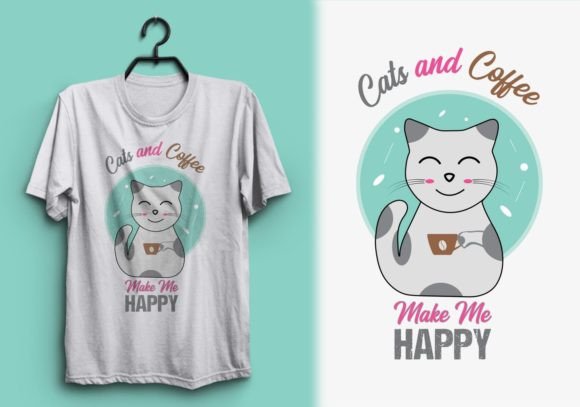
When I first opened the Cat T-shirt Design 220, I was immediately drawn to its whimsical charm. The design captures a playful cat with expressive eyes and a friendly posture, making it feel like a perfect companion for any project that needs a touch of personality.
The mood created by this design is light-hearted and inviting. It's ideal for those looking to add a bit of fun to their embroidery projects without going overboard. The layout is balanced, and the level of detail is just right—not too intricate that it becomes overwhelming, but enough to make the cat look lively and engaging.
This design naturally belongs in a range of embroidery projects, from custom apparel to personalized gifts. Its visual personality makes it especially well-suited for handmade products that aim to convey warmth and friendliness.
Real-Life Embroidery Use: A Custom Tote Bag Scenario
Let’s imagine preparing a custom embroidered tote bag using Cat T-shirt Design 220. This scenario helps me think through how the design would actually look after stitching and what kind of customer reaction it might generate.
I envision placing the cat design on a canvas tote bag. The cat’s friendly expression would be a hit with customers looking for something cheerful and unique. The design would stand out nicely against a light-colored fabric, creating a visually appealing contrast. However, if used on dark fabric, I’d need to ensure the thread colors are vibrant enough to maintain clarity and impact.
For a tote bag, the stitch density and hoop size are important considerations. I would check the design’s dimensions to confirm it fits within my available hoop sizes. If needed, I could resize the vector shapes since the design mentions being fully resizable. Also, testing the design on scrap fabric first would help me see how the stitches lay and whether adjustments are necessary for fabric texture or stretchiness.
Another thing to consider is the use of stabilizer. Since tote bags are often made from woven or canvas-like materials, using the right stabilizer ensures the design stays crisp and doesn’t pucker during stitching.
Where to Use Cat T-shirt Design 220 Carefully
While Cat T-shirt Design 220 is versatile, there are certain situations where extra attention is needed. For instance, using it on small hoop sizes might require simplifying the design or reducing stitch density to avoid overcrowding.
Textured fabrics or thin materials may also challenge the design’s visibility. In such cases, adjusting the stitch type—like using more satin stitches for outlines and fill stitches for the body—can enhance the overall appearance.
If you're planning to use this design on curved surfaces like caps or hats, the placement and sizing will be crucial. Testing on a similar surface before committing to the final product can prevent unwanted distortions.
Additionally, when using the design on layered garments or items that require frequent washing, I recommend ensuring the thread colors are colorfast and the stitch density is appropriate to prevent fraying or fading over time.
Design Impact on Visual Appeal and Product Value
Cat T-shirt Design 220 has the potential to elevate the visual appeal of any embroidery project. Its friendly and approachable nature adds character to handmade products, making them more attractive to buyers. Whether it’s a custom sweatshirt, baby clothing, or a holiday gift, this design brings a sense of warmth and joy that resonates well with customers.
From a business perspective, this design can enhance the perceived value of your finished product. Customers appreciate thoughtful details, and the presence of a charming cat motif can increase engagement and brand recognition, especially for Etsy sellers, craft fair participants, or small shop owners.
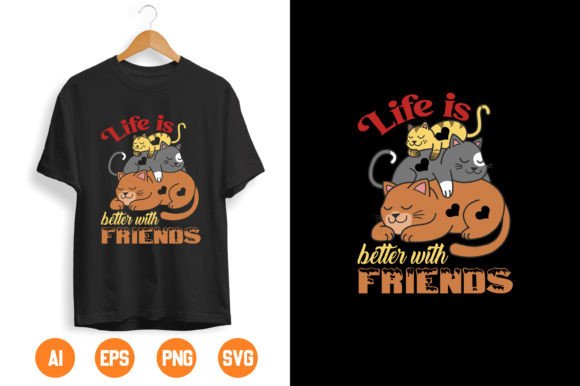
As a professional designer, I find it essential to test the design in black and white mockups to evaluate how it looks on different fabric backgrounds. This step ensures that the design remains clear and recognizable regardless of the fabric color.
Practical Embroidery Designer Notes
Before using Cat T-shirt Design 220 in any real project, I always recommend testing it on scrap fabric first. This allows you to see how the stitches behave and gives you an opportunity to tweak the design as needed.
Checking thread color contrast is another important step. Ensuring that the chosen thread colors work well with the fabric background is crucial for maintaining the design’s clarity and visual impact.
Reviewing stitch density and confirming hoop size compatibility are also key steps in the process. These factors influence how well the design translates from digital to physical form.
Inspecting small details, especially around the cat’s features, ensures that the final product maintains the intended quality and charm. Testing the design in black and white mockups helps identify any potential issues with visibility or contrast.
Comparing the design on both light and dark fabric backgrounds is a good practice to understand how it will look across different products. Using proper stabilizer is essential to prevent puckering or distortion, especially on textured or stretchy fabrics.
Finally, confirming whether the design is suitable for both personal and commercial projects and checking licensing terms before selling finished items or digital products is a must for any serious embroiderer or business owner.
Cat T-shirt Design 220 is a great addition to any embroidery designer’s collection. With its friendly charm and versatility, it can bring life to a wide range of projects—from handmade gifts to boutique merchandise. As long as you take the time to test and adjust as needed, this design can become a valuable asset in your creative toolkit.